

01
Wear
Rotor wear, drum wear, lining wear, disc thickness variation, durability and representative city and suburban traffic cycles.
- J2707 · USCT · L-423 · PF.90244
- Los Angeles · Detroit · Phoenix
- Birmingham · Marquette
Brake testing specifications
Microface brake test systems can be configured to automate and support a wide range of industry, regulatory and customer-specific procedures across performance, durability, NVH, materials and emissions work.
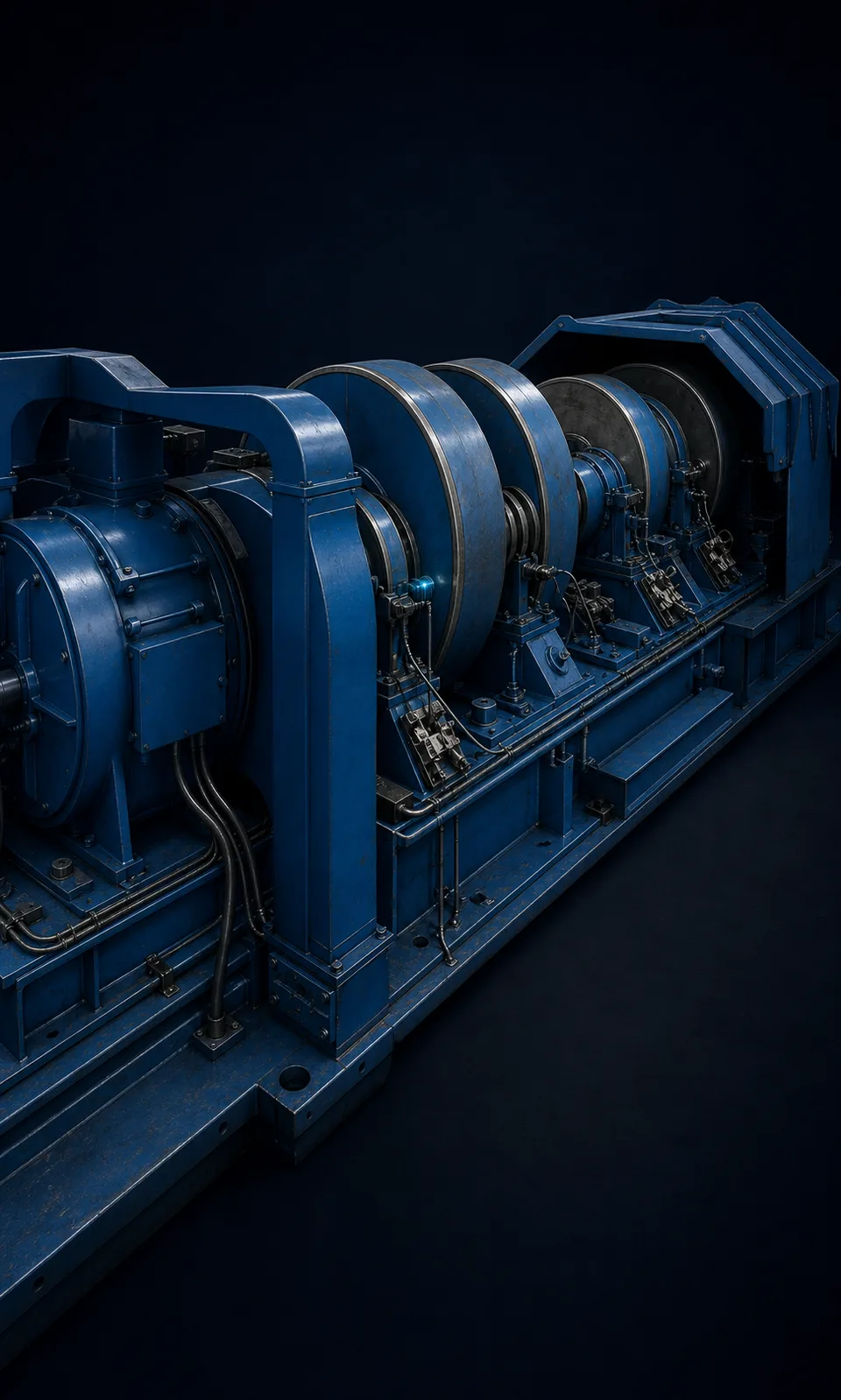
Rotor wear, drum wear, lining wear, disc thickness variation, durability and representative city and suburban traffic cycles.
Breaking-strength and cyclic-fatigue testing for brake components and assemblies.
Hydraulic, air and electric brakes; friction levels; stopping distance; corrosion and cleanability; torque variation; rotor cracking; regulation; stability control and coastdown.
Brake squeal during drag and deceleration events across different temperatures, pressures and torque levels.
Quality-control and physical-property testing for friction, wear, compressive strain, shear strength, corrosion resistance, swell and growth.
Component frequency-response investigation using suitable excitation, measurement and analysis equipment.
Measurement workflows for copper, asbestos and other elements in brake friction materials when integrated with the appropriate laboratory instrumentation.
Caliper characteristics including knockback, rollback, fluid displacement and deflection.
Brake-dust particle size, count, concentration and mass within configured brake-emissions test arrangements.
Residual drag, disc thickness variation, brake feel and the brake-system effects relevant to vehicle fuel mileage.
Continue exploring